
Back to All Engineering Insights
Facility Planning
Published 2026-10-01
•8 min read
Setting Up a Medical Laboratory or Clinic in Kenya: The Ultimate Equipment & Licensing Guide
Authored by Medwise Biomedical Advisory Team
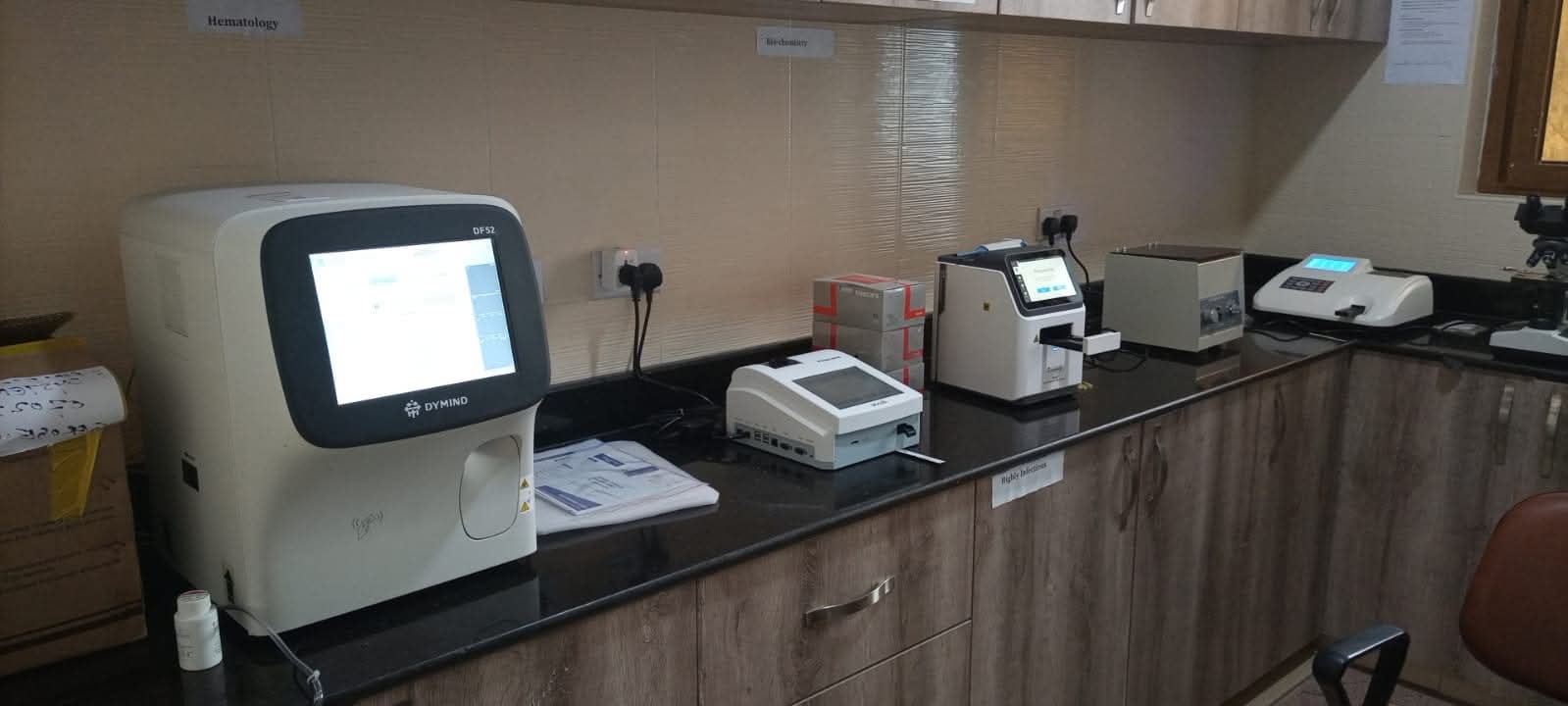
Technical Overview: Click image to expand high-resolution view
Are you planning to open a new medical clinic, establish a diagnostic lab, or upgrade your existing hospital infrastructure in Kenya? Sourcing medical equipment and navigating regulatory boards can be a financial and operational minefield. One wrong purchase can lead to costly downtime, failed inspections, or heavy compliance fines.
As an independent healthcare provider, you cannot afford to buy equipment blindly. At Medwise Technical Consulting, our qualified biomedical engineering team provides clear, brand-neutral answers to the most critical questions healthcare entrepreneurs ask when setting up or scaling a facility in Kenya.
The Kenya Medical Laboratory Technicians and Technologists Board (KMLTTB) strictly regulates all diagnostic settings. To pass a KMLTTB inspection, your facility must adhere to strict structural, personnel, and operational standards:
You must begin your licensing journey with the Kenya Medical Practitioners and Dentists Council (KMPDC). KMPDC registers and licenses the overall facility (the clinic, medical center, or hospital) based on its designated tier.
Once your facility receives its baseline approval and registration from KMPDC, you can formally apply to KMLTTB to inspect, register, and license the specific laboratory unit operating within that facility. Running a laboratory without a distinct KMLTTB facility license—even inside a fully licensed KMPDC clinic—is a serious legal violation.
Before paying for any diagnostic equipment, ask the vendor for official validation documents. KMLTTB maintains a strict register of validated equipment and reagents approved for clinical use on the Kenyan market. Furthermore, medical devices must be authorized by the Pharmacy and Poisons Board (PPB). Sourcing unvalidated machinery will result in failed inspections and immediate facility closure.
Biomedical Advisory & Engineering Standard💡 Avoid licensing delays. Chat with a Medwise Engineer on WhatsApp to cross-check your equipment list against current KMLTTB approval standards.
A Reagent Placement Agreement (or tie-in lease) allows you to acquire high-cost machinery—such as a 5-part hematology analyzer or a fully automated clinical chemistry analyzer—at zero upfront capital cost.
The distributor installs the equipment in your lab for free. In return, you sign a legally binding contract committing to buy a fixed minimum order quantity (MOQ) of reagents and consumables from them every month.
Sourcing the right equipment requires balancing your initial capital expenditure against long-term operational uptime:
| Procurement Metric | Brand-New Medical Equipment | Certified Refurbished Equipment | |---|---|---| | Upfront Capital Cost | High initial cash outlay. | 40% to 60% cheaper than new units. | | Warranty Coverage | 1 to 2 years, fully covered by the manufacturer. | Limited (often 3 to 6 months from the dealer). | | Reliability Profile | Maximum uptime; minimal immediate repair risks. | Higher risk of wear-and-tear component failures. | | Best Suited For | High-volume urban labs or remote clinics where technical visits take days. | Cost-conscious startup clinics and low-volume setups. |
If you opt for refurbished units (such as a pre-owned Sysmex, Mindray, or Roche analyzer), ensure you buy from a trusted engineering partner who strips, cleans, recalibrates, and warranties the machine. Avoid direct "grey market" imports that lack local spare parts or technician backing.
Yes. To ease the burden of medical equipment pricing in Kenya, prominent local equipment providers partner with commercial banks to offer medical asset financing. Many vendors also provide internal hire-purchase terms, which typically require a 30% to 50% cash deposit, with the remaining balance cleared in flexible monthly installments over 6 to 12 months.
Many laboratory managers make the mistake of calculating CPT by simply dividing the price of a reagent kit by the total tests listed on the box. To protect your profit margins, you must use the True CPT Formula:
The True Cost Per Test (CPT) Formula
Cost of Reagent Kit + Cost of Calibrators & Controls + Cost of Consumables (Tips, Tubes, Cuvettes)
Total Actionable Patient Tests Minus Machine Dead Volume
With Kenya's transition from NHIF to the Social Health Insurance Fund (SHIF) under the Social Health Authority (SHA), reimbursement frameworks are strictly tied to your KMPDC facility tier (Levels 2 through 6).
Standard diagnostic panels like a Complete Blood Count (CBC) or lipid profile have fixed capitation or fee-for-service reimbursement limits. Before purchasing a machine, map your True CPT against the official SHA tariff sheets to ensure your laboratory can operate profitably under insurance panels.
Clinical chemistry and hematology reagents are highly perishable, with typical shelf lives ranging from 6 to 18 months. If you run a low-volume startup lab but commit to a high Minimum Order Quantity (MOQ) from a vendor, your reagents may expire on the shelf before you break even on the kit purchase. Always negotiate flexible, smaller reagent delivery intervals during your first year of operation.
A broken-down analyzer means immediate revenue loss, turning patient traffic away to competing laboratories down the street. Before selecting an analyzer model, verify that the vendor has locally based, factory-trained biomedical engineers in Kenya capable of rapid field dispatch.
At Medwise Technical Consulting, we manage independent servicing, troubleshooting, and repairs for all major global brands—including Mindray, Zybio, Dymind, Sysmex, and Beckman Coulter—operating directly from our Kisumu Main HQ and Nairobi Regional Field Hub.
Kenya's electrical grid is prone to frequent voltage drops, blackouts, and power spikes. Sensitive lab devices utilize fragile optical modules, lasers, and microprocessors that can instantly fry during an electrical surge.
While compact 3-part hematology systems operate on closed reagent packs, automated clinical chemistry analyzers consume large quantities of water to wash and rinse internal reaction cuvettes. This water must be highly purified and deionized. If you install an automated biochemistry system, you must budget for a Deionizer or Reverse Osmosis (RO) water purification system directly linked to the machine line. Feeding standard tap or basic distilled water into the analyzer will warp calibrations and ruin the internal fluidic plumbing.
Manually copying laboratory test results from an analyzer screen onto a patient's physical chart or electronic file invites dangerous transcription errors. Ensure every piece of laboratory machinery you buy supports bidirectional LIMS (Laboratory Information Management System) integration via standard HL7 or ASTM data protocols. This allows your machines to automatically fetch clinical requests and beam back finalized data straight into the doctor's electronic health records.
Sourcing your diagnostic and medical clinic setup equipment from separate, unverified vendors leads to mismatched parts, calibration errors, and severe maintenance headaches down the line.
At Medwise Technical Consulting, we walk this entire healthcare journey with you. From initial technical feasibility and facility layout planning to procurement, engineering installation, staff training, and official metrological calibration certificates, we protect your clinical investments from Day 1.
Medwise Technical Consulting provides brand-neutral equipment selection, procurement, installation, and precision calibration across Kenya. Speak directly with our practicing biomedical team today.

Independent advisory. Transparent flat-rate pricing. 100% clinical compliance.