
Medwise Technical Consulting Logo
Back to All Engineering Insights
Laboratory Diagnostics
Published 2026-09-28
•
6 min read

Hematology Analyzer Service in Kenya: Why It’s Mandatory, When to Do It & What’s Included

Authored by Medwise Biomedical Advisory Team
Hematology Analyzer Service in Kenya: Why It’s Mandatory, When to Do It & What’s Included
Click to Expand

Technical Overview: Click image to expand high-resolution view

At Medwise Technical Consulting, our biomedical helpdesk receives emergency calls every week: “Our Mindray BC-20s is showing a WBC clog,” “We have an HGB blank error,” or “Our daily QC has failed completely.”

In 90% of these cases, the root cause is a missed Preventive Planned Maintenance (PPM) schedule.

If your laboratory runs a 3-part or 5-part hematology analyzer in Kenya, regular servicing is not an optional operating cost. It is your primary defense against laboratory downtime, lost revenue, and regulatory compliance failure.


Why Regular Hematology Analyzer Service is Mandatory

As an independent biomedical engineering company serving healthcare facilities across Kenya, we regularly witness the financial and clinical fallout of neglected laboratory equipment.

  • Guaranteed Patient Result Accuracy: Dried blood protein, lyse crystals, and airborne dust easily clog RBC/WBC apertures. This leads to false low WBC counts, artificial platelet (PLT) clumping, and frequent abnormal differential flags.
  • KMLTTB & KMPDC Audit Compliance: Inspectors from the Kenya Medical Laboratory Technicians and Technologists Board (KMLTTB) demand traceable calibration certificates, equipment service stickers, and active Levey-Jennings (L-J) charts. Missing documentation can lead to facility non-compliance or closure.
  • Elimination of Expensive Downtime: A Level 4 hospital laboratory in Kisumu or Nairobi can lose over KES 25,000 per day when its primary 5-part analyzer breaks down. Replacing an entire counting chamber can cost upwards of KES 180,000, whereas replacing a worn O-ring during regular PPM costs a fraction of that.
  • Extended Equipment Lifespan: Scheduled fluidic decontamination and mechanical calibration can extend the operational life of your Mindray, Zybio, Sysmex, or Rayto analyzer from 5 years to well over a decade.

Service Frequency Guide for Kenyan Laboratories

Environmental factors like high dust levels, ambient humidity, and daily sample volume dictate your maintenance schedule. Medwise recommends the following routine:

Daily Operations (By Lab Technologist)

  • Run daily background checks.
  • Perform manual probe wipes.
  • Execute standard commercial shutdown cycles.

Quarterly PPM (Every 3 Months / 5,000 Tests)

  • Deep fluidic decontamination.
  • Mechanical component verification.
  • Highly recommended for high-throughput urban clinics.

Bi-Annual Service & Calibration (Every 6 Months)

  • Comprehensive volumetric calibration.
  • Precision testing.
  • Full QC verification with a physical compliance certificate.

Annual Overhaul (Every 12–18 Months)

  • Complete mechanical teardown.
  • Full replacement of critical internal tubings, syringe seals, and high-pressure valves.
Biomedical Advisory & Engineering Standard

Note: Diagnostic facilities operating in dusty or coastal climates like Nairobi, Mombasa, Eldoret, and Nakuru should shorten their PPM intervals to every 2 months to prevent premature aperture degradation.


The Medwise Complete Hematology Analyzer PPM Checklist

Our field-ready biomedical engineers follow strict Original Equipment Manufacturer (OEM) guidelines. Every service contract includes:

1. Physical & Electrical Subsystem Cleaning

  • Deep dust extraction from internal electronic PCB boards and power supply modules.
  • Detailed inspection of grounding wires and voltage stabilizers.
  • Cleaning of liquid waste lines and optical level sensors.

2. Fluidic System Decontamination

The fluidic network is the core of any cell counter. We perform:

  • Hypochlorite and enzymatic deproteinization of RBC, WBC, BASO, and DIFF chambers.
  • Vacuum and pressure leak testing across all internal micro-valves, pumps, and glass syringes.
  • Aperture unblocking, micro-aperture burn-cleansing, and counting bath restoration.

3. Mechanical Part Calibration & Lubrication

  • Precision cleaning and specialized silicone greasing of moving parts.
  • Structural inspection of the sample rotor mechanism, sampling needle assemblies, and mechanical pinch valves.
  • Acoustic analysis to identify worn bearings or abnormal motor resistance.

4. Component Overhaul & Replacement

When preventive indicators show wear, we install genuine spares:

  • High-grade rubber O-rings and internal sealing gaskets.
  • Brand-specific lyse, diluent, and rinse fluidic tubings.
  • Pinch valve sleeves and internal syringe plunger seals.

5. Volumetric Calibration & Quality Control (QC)

  • Precision adjustment of sample and diluent volume metering.
  • HGB photometer optical alignment and blank calibration.
  • Verification of background limits (Background Check).
  • Processing of commercial Low, Normal, and High controls with complete L-J chart interpretation.
  • Evaluation of carryover ratios and Coefficient of Variation (CV%) limits.

6. Audit-Ready Certification Documents

Every service call ends with compliance documentation for your records:

  • A physical, tamper-evident Medwise Service Sticker affixed to the analyzer detailing the service date and next due date.
  • A comprehensive Biomedical Service Report outlining work completed, parts replaced, and engineer recommendations.
  • A signed copy of the successful post-service QC and Calibration validation sheets.

Professional Biomedical Support Near You in Kenya

Medwise Technical Consulting operates as an independent medical equipment service provider. Because we are not tied to a single vendor, we offer unbiased technical advice and cost-effective maintenance across multiple equipment brands.

We provide comprehensive service for all leading market models, including:

  • Mindray: BC-10, BC-20s, BC-30s, BC-5150, BC-5380, BC-5000
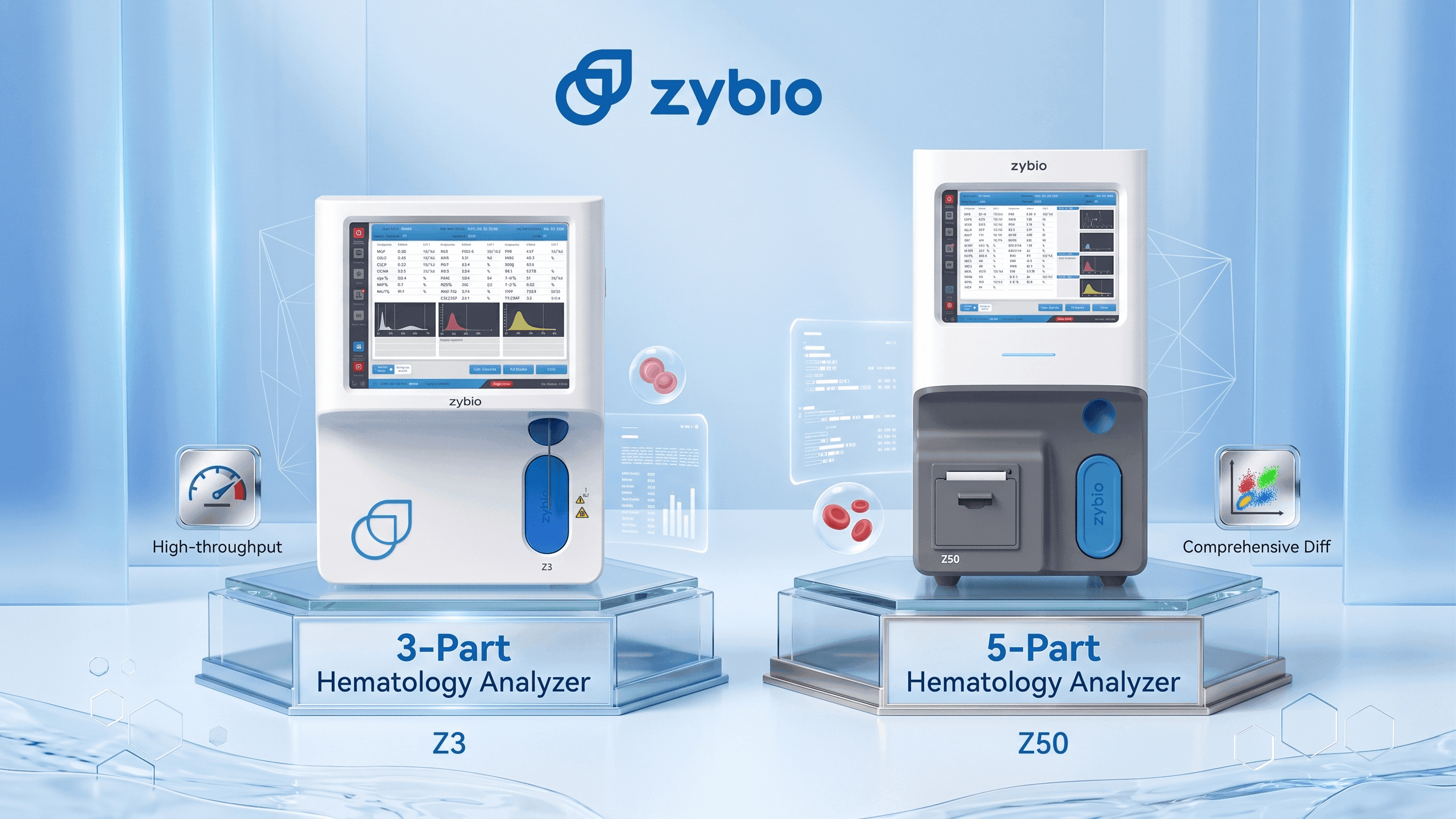
  • Zybio: Z3, Z5
  • Sysmex: XP-300, KX-21N, XN-350, XN-550
  • Rayto: RT-7600
  • Other Brands: Horiba Yumizen, Erma PCE, Dymind DH36

Our Geographical Coverage

Our main office is strategically located on the Kisumu-Kakamega Road in Kisumu, paired with a rapid-response regional hub in Nairobi. This allows us to dispatch biomedical engineers anywhere across Kenya, including Mombasa, Eldoret, Nakuru, Kisii, Kakamega, Bungoma, Busia, Kericho, Nyeri, Machakos, and Embu.


Frequently Asked Questions (FAQ)

How do I fix a persistent "WBC Clog" or "RBC Clog" error?

An electronic clog error occurs when cellular debris or protein accumulation partially blocks the micro-aperture. While a manual "Zap" or flush using standard cell-cleanser works temporarily, recurring clogs mean your fluidic lines require an enzymatic deep-clean by a professional technician.

Why is my hematology analyzer background count failing?

High background counts mean the analyzer is counting particles even when no blood sample is present. This is usually caused by contaminated diluent, electrical noise interference, micro-bubbles in the lines, or deep-seated debris inside the counting bath.

What is the difference between a 3-part and a 5-part hematology analyzer?

A 3-part analyzer differentiates white blood cells into three main types (Lymphocytes, Monocytes, and Granulocytes) using electrical impedance. A 5-part analyzer uses laser flow cytometry to provide a more detailed breakdown, adding Neutrophils, Eosinophils, and Basophils for advanced clinical diagnostics.

Biomedical Advisory

Need Engineering Guidance for Your Healthcare Facility?

Medwise Technical Consulting provides brand-neutral equipment selection, procurement, installation, and precision calibration across Kenya. Speak directly with our practicing biomedical team today.

Medwise Technical Consulting biomedical engineering team

Ready to equip or service your facility?

Independent advisory. Transparent flat-rate pricing. 100% clinical compliance.